

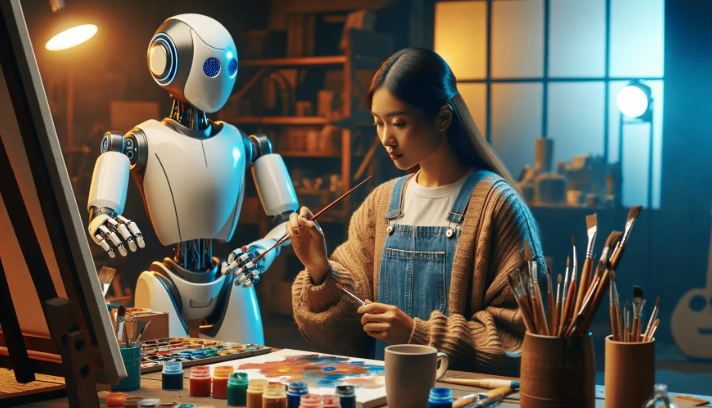
Artificial intelligence is everywhere these days. From your phone suggesting the next song to advanced robots helping in hospitals, AI has become part of our daily lives. But did you know not all AI is created equal? There’s traditional AI and then there’s humanized AI. While they might sound similar, they operate in completely different ways, and the difference can be pretty significant.
What is Traditional AI?
Traditional AI, sometimes called narrow AI, is designed to carry out particular obligations. Think about chatbots on web sites, recommendation systems on Netflix, or voice assistants like Siri. These systems are constructed to comply with regulations, analyze information, and reply primarily based on styles they’ve learned. They are noticeably efficient at what they do, but they lack any feel of know-how or emotion.
For instance, if you ask a traditional AI a question out of doors about its programmed expertise, it would deliver an accepted reaction or in reality say it doesn’t understand. That’s because it doesn’t actually “think” or apprehend context the way humans do. Traditional AI excels in speed and precision, but it is able to feel mechanical, predictable, and from time to time even irritating when it fails to grasp nuance.
Enter Humanized AI
Humanized AI is taking things a step further. Unlike traditional AI, it’s designed to mimic human behavior, emotion, and decision-making. It’s not just about crunching numbers or following patterns. Humanized AI tries to understand context, read emotional cues, and even respond in a way that feels natural to humans.
For instance, imagine a customer support AI that doesn’t just answer your question but recognizes frustration in your tone and responds empathetically. That’s humanized AI in action. It can remember past interactions, adapt to your style of communication, and sometimes even make small talk to keep the conversation flowing naturally.
Key Differences Between Humanized AI and Traditional AI
The differences between the two types of AI go beyond just their programming. Here’s a closer look:
1. Emotional Understanding
Traditional AI doesn’t feel anything. It analyzes, calculates, and reacts based solely on data. Humanized AI, on the other hand, can recognize and respond to emotions. It might notice if someone is upset, confused, or happy and adjust its responses accordingly.
2. Context Awareness
Traditional AI often struggles with context. Ask it a follow-up question, and it might fail to connect the dots. Humanized AI remembers past interactions and uses that information to make conversations smoother and more relevant. This makes it feel less like talking to a robot and more like talking to a real person.
3. Adaptability
Humanized AI is more flexible. Traditional AI can be rigid because it’s limited to its programming. Humanized AI can learn from experience in a way that feels intuitive, making it better suited for dynamic environments like customer service or creative work.
4. Real-World Applications
Traditional AI is great for repetitive tasks like sorting emails, analyzing data, or running simulations. Humanized AI shines in areas where human-like interaction matters, like virtual assistants, therapy chatbots, or AI companions. It’s about making technology more approachable and easier to engage with.
Why Humanized AI Matters
You might be wondering, do we really need AI that acts human? The answer is yes, especially in areas where interaction and trust are crucial. Humanized AI can make technology less intimidating and more accessible. It can improve customer experiences, reduce frustration, and even provide companionship in situations where human contact isn’t possible.
Companies are already noticing the difference. Businesses that use humanized AI in customer support see higher satisfaction rates because the AI doesn’t just answer questions—it communicates in a way that feels genuine. It’s more than just functional; it creates a connection.
See also: How Technology Is Transforming the Entertainment Industry
Looking Ahead
The future of AI is likely to blur the lines even more. Humanized AI will continue to evolve, learning not only from data but from the nuances of human interaction. Traditional AI won’t disappear, though. It still has its place in tasks that require precision, speed, and analysis without emotional context.
The takeaway is simple. Traditional AI is smart, efficient, and reliable. Humanized AI adds a layer of empathy, understanding, and adaptability that makes machines feel more human. Both have their strengths, and the best solutions often combine the two.
Conclusion
So subsequent time you interact with AI, reflect on consideration on which type you’re virtually talking to. Is it the traditional type following strict rules, or is it humanized AI that truly seems to apprehend you? The difference won’t just change your level, it may change the way you think about generation altogether. Humanized AI isn’t pretty much smarter machines; it’s about making era experience a touch extra human.