

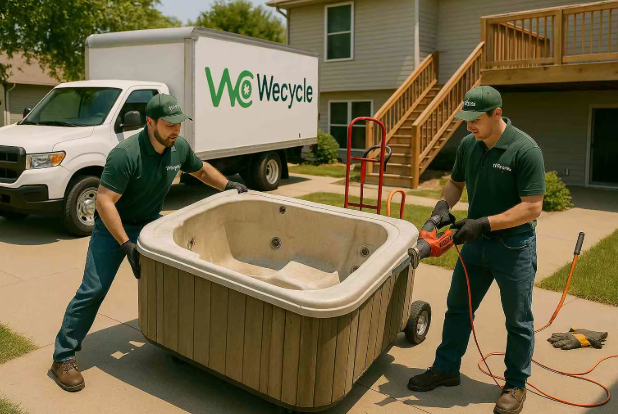
Removing an old hot tub is often seen as a complicated, labor-intensive job. However, with a thoughtful approach, you can make hot tub removal both safe and environmentally responsible. Whether you’re looking to reclaim space in your backyard or simply make way for a new model, understanding the right steps can make all the difference. If you are considering options, professional hot tub removal services can offer an efficient, stress-free experience. Proper planning at the start makes the process manageable and helps avoid unnecessary risks or damage.
From safety precautions and dismantling tips to eco-conscious disposal, each stage of hot tub removal plays an important role in minimizing environmental impact. It’s crucial to follow best practices not only for your own safety but also for the benefit of your community and the environment. When handled correctly, this process can contribute to a safer home and a more sustainable future. Whether you carry out the removal yourself or rely on experts, every phase of the project deserves careful consideration.
Assessing the Situation
Start by evaluating the specific circumstances of your hot tub. Take into account its current condition, overall size, and primary location. Accessibility can become a challenge if the unit is installed in a tight spot or surrounded by landscaping features. Pay close attention to the electrical supply and drainage systems. Documenting these factors allows you to plan an efficient removal and ensures that you do not overlook critical connections that must be safely addressed during dismantling.
Carefully consider what tools and protective equipment you will need, as well as how you will transport the various components. Removal projects performed without proper assessment can cause injuries, property damage, or even fines if you do not comply with local regulations. By identifying challenges early, you’ll avoid unnecessary risks and streamline your project timeline.
Safety Precautions
Before touching any tools, always completely disconnect the power supply to your hot tub, including the main breaker and any dedicated circuits. If your hot tub is hardwired or has complex electrical connections, consult an electrician to ensure there is no residual current. Protect yourself with thick gloves, sturdy footwear, and eye protection, as dismantling can involve sharp metal, splintered wood, or splashing chemicals.
If you must cut cables or pipes, make sure you know exactly where your utility lines travel. Water and electricity are hazardous when not completely isolated. Keep children and pets out of the work area, and consider working with a partner to make the process safer and easier.
Dismantling the Hot Tub
When you’re certain that power and water are disconnected, begin by removing exterior panels and covers. This step gives you access to pumps, heaters, and plumbing. Carefully disconnect all plumbing hoses and electrical wiring, keeping track of different components so you can later recycle, repurpose, or dispose of them appropriately.
If the hot tub is too large or heavy to move as a whole, cut the shell into smaller, manageable pieces using a reciprocating saw. This approach requires patience and attention to detail, as fiberglass and plastic can release fine dust and sharp fragments. Bag debris as you go, and use a dust mask when cutting fiberglass. This step-by-step breakdown prevents strain injuries and makes the removal process much more efficient.
Eco-Friendly Disposal Options
After dismantling, consider how each part can be recycled or disposed of sustainably. Metal frames and parts can be taken to local scrap yards, where they’re sorted and put to new use. Plastics, if accepted by community recycling programs, should be cleaned and separated appropriately. Electronics, such as pumps and circuit boards, may require disposal at specialized facilities since they often contain hazardous materials.
Some companies offer dedicated eco-friendly disposal services. These providers ensure hot tub materials are processed with minimal landfill impact, often reusing or recycling up to 80 percent of dismantled components. Local municipal guidelines can also help you determine proper disposal and recycling methods for your area. For more information on local recycling programs, consult your city’s website or the Environmental Protection Agency’s recycling resource pages.
See also: Low Doc Loans Perth: Quick Access to Home Financing
Repurposing and Recycling
Instead of discarding every part, consider creative repurposing projects. The fiberglass shell of a hot tub can be cleaned and converted into a backyard koi pond or a unique planter box. Pumps and heaters, if still in working order, can serve as replacement parts for other home projects or be donated for reuse. Panels and wood frames may be used for outdoor DIY furniture.
By recycling and repurposing hot tub components, you reduce landfill waste, support the circular economy, and save money on landscaping or gardening features. Engaging in upcycling projects can also be a rewarding and environmentally conscious way to add value to your property.
Hiring Professional Services
If hot tub removal seems overwhelming or potentially hazardous, professional removal services can provide peace of mind. Licensed specialists have the tools, experience, and vehicles required to break down and transport large hot tubs efficiently, no matter where they are installed. In addition to heavy lifting and disposal, reputable pros navigate local regulations, meaning you avoid fines or permit issues. Many professional services focus on environmentally responsible disposal, diverting as much material as possible from landfills.
Legal and Environmental Considerations
Before disposing of a hot tub, review local regulations regarding the removal of large items or electronics. Many regions prohibit curbside pickup of bulky items or electronics because of landfill policies or hazardous materials. Failure to comply may result in fines or environmental harm. Consult your city or county waste department for approved methods and locations.
Prioritizing legal compliance and recycling not only protects the environment but also demonstrates your commitment to responsible home improvement. Make sure you complete any required paperwork and keep records of where and how your hot tub was dismantled and recycled, to ensure everything is handled appropriately.
Conclusion
Taking apart and removing a hot tub may seem daunting at first, but the process becomes manageable when approached with a well-planned, safety-focused approach. Prioritize personal safety, eco-friendly disposal, and legal compliance at every stage. Whether you handle removal yourself or seek professional assistance, thoughtful practices will always pay off. Proper hot tub removal not only declutters your backyard but also lessens your environmental footprint, leaving you with both peace of mind and a cleaner, safer space for future enjoyment.