

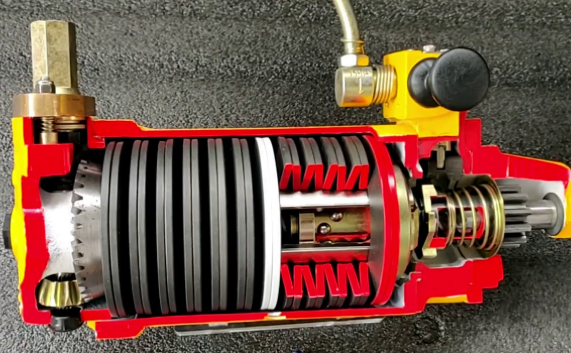
Choosing the correct spring starter for your application involves more than simply matching a product to an engine size. It requires a systematic evaluation of operating conditions, performance requirements, and long-term operational goals. This guide walks through the key considerations that engineers and procurement managers should address when specifying spring starter equipment.
Step 1: Define Your Application Requirements
Begin by documenting the specific requirements of your application. Key parameters include the engine type and displacement, the operating temperature range at the installation site, the frequency of starting cycles, the available space for mounting the starter, the environmental conditions (moisture, dust, chemicals, explosive atmosphere), and any applicable standards or certifications required.
This documentation serves as the foundation for all subsequent selection decisions. Incomplete information leads to poor product selection and, ultimately, operational problems.
Step 2: Determine the Required Starting Torque
Engine Compression Ratio
Higher compression ratios require more cranking torque. Diesel engines, with their high compression ratios, generally demand more powerful spring starters than equivalent-displacement gasoline engines. The engine manufacturer’s specifications should include the minimum required cranking torque—use this as your baseline.
Temperature Derating
Cold temperatures increase oil viscosity, which increases starting resistance. If your application involves cold-weather starting, you should select a spring starter with torque output that exceeds the basic requirement by a margin sufficient to handle the increased resistance at your minimum operating temperature.
See also: Protecting Business Data Using Continuous Authentication Strategies
Altitude Considerations
High-altitude installations affect combustion but not mechanical starting requirements significantly. However, the reduced air density at altitude does affect how engine combustion develops after cranking begins, potentially requiring faster cranking speeds to achieve reliable ignition.
Step 3: Evaluate Physical and Environmental Requirements
Physical constraints are often the most limiting factor in spring starter selection:
- Measure available mounting space carefully, including clearances for operation and maintenance
- Verify that the engagement drive geometry matches your engine’s ring gear
- Assess the environmental exposure and select appropriate ingress protection ratings
- For hazardous areas, verify that the selected unit carries required certifications
- Consider access requirements for winding and maintenance operations
Step 4: Assess Total Cost of Ownership
Upfront purchase price is just one component of total ownership cost. Factor in installation costs, ongoing maintenance requirements and costs, expected spare parts consumption, potential downtime costs if the wrong unit is selected, and the cost of any required training. A slightly more expensive unit with superior reliability and lower maintenance requirements often delivers better total economics.
Step 5: Verify Manufacturer Support
Even the best mechanical equipment occasionally requires technical support. Before committing to a purchase, verify that the manufacturer provides comprehensive technical documentation, application engineering support during specification, responsive customer service for questions and issues, and availability of spare parts for the life of the product.
Common Selection Mistakes to Avoid
Experience reveals several recurring selection errors. Undersizing based on nominal engine displacement without accounting for cold-weather derating leads to starting failures in winter. Ignoring certification requirements creates compliance problems that require expensive remediation. Selecting based on price alone without evaluating quality can result in premature failures that cost far more than the money saved on the original purchase.
Frequently Asked Questions
How do I verify that a spring starter is properly sized?
Request the manufacturer’s sizing calculation for your specific engine and operating conditions. A reputable manufacturer will provide documentation supporting their sizing recommendation.
Should I consult an engineer before purchasing?
For critical applications, yes. An application engineer from the manufacturer or a qualified third party can verify that your selection meets all requirements before you commit to a purchase.
What if my requirements change after purchase?
Some spring starters can be upgraded or adapted as requirements change. Discuss future requirements with the manufacturer during the initial selection process to ensure you choose a platform with appropriate flexibility.
Conclusion
Systematic spring starter selection is an investment in long-term operational reliability. By methodically evaluating application requirements, torque demands, environmental conditions, and total ownership costs, operators can make selection decisions they will be satisfied with for many years. The right choice made once is far better than repeated attempts to correct a poor initial decision.