

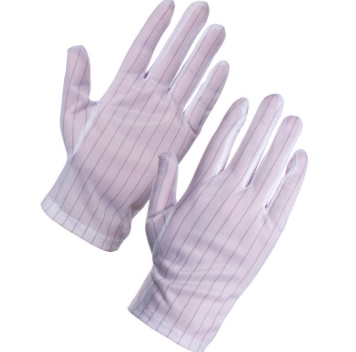
Finding a dependable pu coated gloves manufacturer is a challenge that many procurement professionals face as the market for polyurethane coated gloves grows more competitive. Quality varies significantly between manufacturers, and understanding what differentiates premium producers from average ones helps buyers make smarter sourcing decisions.
Manufacturing Process and Quality Control
Dipping Technology and Consistency
The quality of a PU-coated glove depends heavily on the dipping process. Precision dipping equipment maintains consistent coating thickness across the glove surface, eliminating thin spots that could tear and exposing the liner. Manufacturers who invest in automated dipping lines typically achieve better consistency than those using manual techniques.
After dipping, gloves are cured in controlled temperature ovens. Variations in curing temperature or time affect the hardness, adhesion, and flexibility of the coating. Rigorous process monitoring is essential to maintain batch-to-batch consistency.
Liner Material Options and Customization
A specialist PU coated gloves manufacturer should offer multiple liner options to meet different application requirements. Nylon liners provide lightweight comfort and breathability. HPPE liners add cut resistance for more hazardous environments. Recycled polyester liners serve sustainability-focused buyers without compromising performance.
Color customization, custom logo printing, and specific size ranges are additional options that premium manufacturers typically accommodate. These details matter for distributors building branded product lines and for large employers who want consistent, recognizable safety gear.
See also: Business Owners: What to Look for in a Contact Center Solution
Certifications and Standards
When evaluating manufacturers, request documentation for EN 388 mechanical risk certification and, if applicable, EN 420 general glove requirements. Manufacturers serving the electronics industry should also be able to provide ESD compliance documentation if their PU gloves are used in those environments.
ISO 9001 certification for the manufacturing facility itself demonstrates that the company operates a formal quality management system — a fundamental expectation for any serious supplier relationship.
Frequently Asked Questions
Q: What distinguishes premium PU gloves from budget options?
A: Premium gloves use higher-quality liner yarns, more consistent dipping processes, and better curing controls. The result is more uniform coating thickness, better grip durability, and more consistent sizing across batches.
Q: How should I evaluate sample gloves from a manufacturer?
A: Check coating uniformity visually, test grip on representative work surfaces, wear the gloves for at least a day to assess comfort and breathability, and wash them several times to evaluate durability.
Q: Can a manufacturer produce PU gloves with additional features like cut resistance?
A: Yes. By selecting appropriate liner materials and potentially adding cut-resistant coatings or reinforcements, manufacturers can produce gloves that combine PU grip with higher protection levels.
Conclusion
A quality PU coated gloves manufacturer is a strategic partner in delivering hand protection that workers will actually wear consistently. By demanding proper certifications, flexible customization, and demonstrable quality controls, buyers can ensure they’re sourcing gloves that deliver real value in the workplace.