

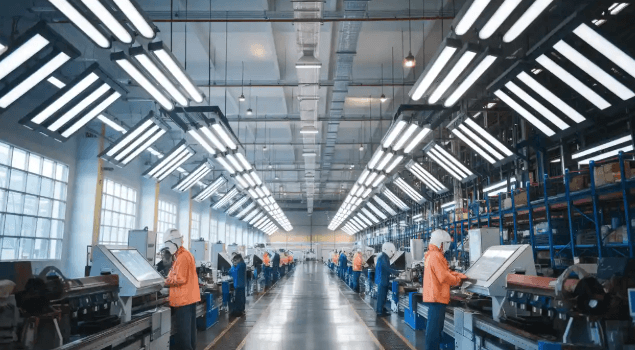
Understanding how LED high bay lights are manufactured helps procurement professionals make better decisions when selecting suppliers and evaluating product quality. Modern LED high bay light factory operations combine automated assembly processes with rigorous quality control to produce fixtures that meet demanding industrial performance standards. This guide offers a behind-the-scenes look at what separates high-quality manufacturing from lower-quality alternatives.
Key Stages of LED High Bay Light Production
LED high bay light production involves multiple stages, each critical to the final product’s performance and reliability. Understanding these stages helps buyers ask the right questions when evaluating suppliers and understanding the basis for quality differences.
LED Driver Manufacturing and Selection
The driver (power supply) is among the most critical components in an LED fixture. Quality factories use drivers from recognized manufacturers such as Meanwell, Inventronics, or equivalent quality brands. The driver’s efficiency, power factor, surge protection, and thermal performance directly affect fixture reliability.
Heat Sink Design and Manufacturing
Effective thermal management is essential for LED longevity. Quality high bay lights use precision-extruded or die-cast aluminum heat sinks designed using thermal simulation software to ensure that LED junction temperatures remain within safe operating limits.
Optical System Design
High bay lights require carefully designed optical systems to achieve the correct beam angles and uniformity for specific applications. Quality factories use optical simulation software and precision injection-molded lenses to optimize light distribution.
Quality Control Processes in LED Manufacturing
Rigorous quality control is what separates reliable factories from unreliable ones. Look for factories with incoming component inspection, in-process quality checks, and comprehensive final testing of every unit before shipment.
Testing and Measurement Equipment
Quality factories invest in integrating sphere measurements for lumen output verification, power analyzers for efficiency measurement, thermal imaging cameras, life testing chambers, and IK and IP rating test facilities.
- 100% electrical safety testing before shipment
- Sample-based photometric performance testing
- IES file generation for photometric simulation
- Aging tests to identify early failures
- IP rating verification by water and dust testing
How to Evaluate Factory Quality During Supplier Selection
Factory audits are the most reliable way to assess a manufacturer’s capabilities. Key areas to evaluate include facility cleanliness and organization, equipment modernity and calibration records, workforce training programs, and quality management system documentation.
Frequently Asked Questions
What distinguishes a tier-1 LED high bay light factory from lower-tier manufacturers?
Tier-1 factories invest in advanced production equipment, employ qualified engineers, maintain comprehensive quality management systems (ISO 9001), and hold multiple international product certifications. They typically offer longer warranties because their products deliver consistent performance.
How is LED lumen output verified at the factory?
Lumen output is measured using an integrating sphere, which captures all light emitted by the fixture and calculates total lumens. Reputable factories either own this equipment or use accredited testing laboratories for photometric reports.
What should I include in a purchase order to ensure quality?
Specify minimum lumen output, minimum efficacy (lumens per watt), maximum wattage, required certifications, specific driver brand and model, warranty terms, and packing requirements. Including a detailed product specification sheet leaves no room for ambiguity.
Conclusion
A visit or thorough audit of a LED high bay light factory reveals more about product quality than any marketing material can. led high bay light factory. By understanding the production process and quality control practices that distinguish excellent manufacturers from mediocre ones, you can make purchasing decisions with confidence. Partner with factories who are transparent about their processes, maintain comprehensive quality systems, and back their products with meaningful warranties.