

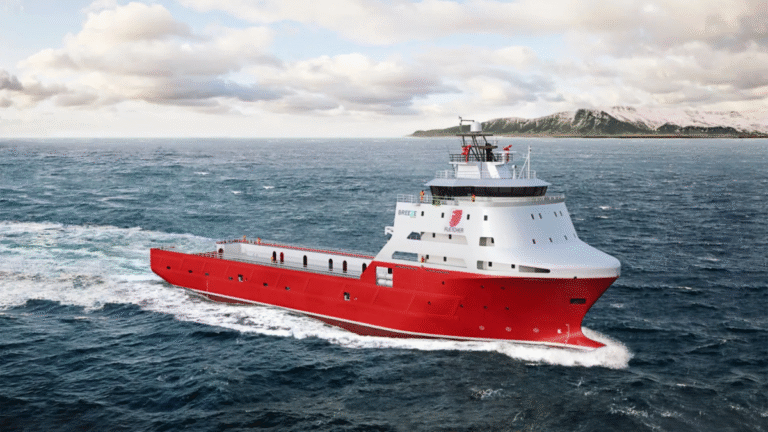
At the center of this complex system is the PSV vessel, a specialized ship designed to deliver essential cargo in some of the most challenging environments on Earth. While the core purpose of a PSV vessel has remained the same over time, its capabilities have evolved significantly. Modern demands require more than simple transportation. Today’s PSV vessel is expected to be smarter, more efficient, and capable of adapting to a wide range of operational scenarios.
This article explores how PSV vessels are evolving to meet these expectations. By examining their design, technology, and expanding role, we gain insight into how smart supply at sea is shaping the future of offshore logistics.
The Foundation of Offshore Supply Chains
A PSV vessel, or Platform Supply Vessel, serves as a vital link between onshore supply bases and offshore installations. Its primary role is to transport materials such as fuel, water, equipment, and consumables needed for daily operations.
Offshore facilities often operate continuously, making reliable supply chains essential. Any disruption can lead to delays, increased costs, and potential safety risks. The PSV vessel ensures that these facilities receive the resources they need without interruption.
What sets the PSV vessel apart is its ability to handle diverse cargo types. It combines deck space for dry goods with internal tanks for liquids, allowing it to support multiple operational needs in a single trip. This versatility is a key factor in its continued importance.
From Traditional Support to Smart Logistics
The role of the PSV vessel is shifting from basic transportation to smart logistics. This transformation is driven by the need for greater efficiency, accuracy, and adaptability.
Modern offshore operations require precise coordination. Supplies must be delivered at the right time and in the right condition. To achieve this, PSV vessels are integrating digital systems that improve planning and execution.
Smart logistics involves using data to optimize routes, monitor cargo conditions, and enhance decision-making. A PSV vessel equipped with these capabilities can respond more effectively to changing conditions and operational demands.
This shift reflects a broader trend in maritime operations, where technology is enabling more intelligent and efficient systems.
Advanced Cargo Management Systems
One of the most significant advancements in PSV vessel capabilities is the improvement of cargo management systems. Handling multiple types of cargo requires careful planning and execution.
Modern PSV vessels use digital tracking systems to monitor cargo throughout the journey. This ensures that materials are stored correctly and delivered as required. It also reduces the risk of errors and improves overall efficiency.
Tank management systems have also evolved. These systems control the storage and transfer of liquids, ensuring that different types of cargo remain separate and uncontaminated. Precision in these operations is essential for maintaining quality and safety.
By enhancing cargo management, the PSV vessel becomes more reliable and capable of supporting complex offshore operations.
Dynamic Positioning and Precision Operations
Operating near offshore platforms requires a high level of precision. A PSV vessel must be able to maintain its position while transferring cargo, often in challenging sea conditions.
Dynamic positioning systems are a key feature that enables this capability. These systems use sensors, thrusters, and advanced algorithms to keep the vessel stable and correctly positioned.
This technology allows for safer and more efficient operations. It reduces the need for anchoring and enables the vessel to operate in areas where traditional methods would be impractical.
Precision operations are essential for modern offshore logistics, and the PSV vessel plays a central role in achieving them.
Automation and Digital Transformation
Automation is transforming the way PSV vessels operate. Modern vessels are equipped with systems that assist with navigation, engine management, and cargo handling.
These automated systems reduce the workload on crew members and improve accuracy. They also allow for more consistent performance, which is critical in offshore environments.
Digital transformation goes beyond automation. Data analytics and real-time monitoring provide insights into vessel performance and operational conditions. This information helps operators make informed decisions and optimize efficiency.
The integration of digital technologies is turning the PSV vessel into a smarter and more capable platform.
Enhancing Safety Through Innovation
Safety is a top priority in offshore operations, and the evolution of the PSV vessel reflects this focus. Advanced technologies and improved design features are helping to reduce risks and enhance safety.
Real-time monitoring systems provide data on weather conditions, vessel stability, and cargo status. This allows crews to anticipate potential issues and take preventive measures.
Improved communication systems also play a role. Clear and reliable communication between the vessel and offshore platforms ensures that operations are coordinated effectively.
By integrating safety into every aspect of its design and operation, the PSV vessel supports both efficiency and reliability.
Sustainability and Environmental Responsibility
As environmental concerns become more prominent, PSV vessels are adapting to meet sustainability goals. The maritime industry is under pressure to reduce emissions and minimize its impact on marine ecosystems.
Modern PSV vessels are being designed with energy efficiency in mind. Optimized hull shapes and propulsion systems help reduce fuel consumption. Alternative energy solutions are also being explored as part of this transition.
Environmental responsibility extends to operational practices. Safe handling of cargo and prevention of spills are critical aspects of PSV vessel operations.
These efforts demonstrate a commitment to sustainability, ensuring that offshore logistics can continue to evolve responsibly.
The Human Element in Modern PSV Operations
Despite advances in technology, the human element remains essential in PSV vessel operations. Skilled crew members are responsible for managing complex systems and ensuring safe and efficient operations.
Training and experience play a crucial role. Crew members must be able to interpret data, respond to changing conditions, and make informed decisions.
Modern PSV vessel design also considers crew comfort and well-being. Improved living and working conditions help support performance and reduce fatigue.
The combination of human expertise and advanced technology is what enables the PSV vessel to operate effectively in demanding environments.
Expanding Roles in Emerging Industries
The role of the PSV vessel is expanding beyond traditional offshore oil and gas operations. As new industries emerge, these vessels are finding new applications.
Offshore renewable energy projects, such as wind farms, require similar logistical support. PSV vessels are increasingly being used to transport equipment and materials for these projects.
This diversification highlights the adaptability of PSV vessels. Their ability to handle different types of cargo and operate in various environments makes them valuable across multiple sectors.
As offshore industries continue to evolve, the PSV vessel will remain a key component of maritime logistics.
Challenges and Opportunities Ahead
While PSV vessels have advanced significantly, they still face challenges. Offshore environments are unpredictable, and operations require careful planning and coordination.
Economic factors also influence the development and operation of PSV vessels. Balancing cost with performance and innovation is an ongoing challenge.
At the same time, these challenges present opportunities for further improvement. Advances in technology, materials, and design are likely to drive the next phase of evolution.
The future of the PSV vessel will be shaped by its ability to adapt to changing demands and embrace new innovations.
Frequently Asked Questions (FAQ)
What is a PSV vessel?
A PSV vessel, or Platform Supply Vessel, is a ship designed to transport supplies and materials to offshore platforms and installations.
What does a PSV vessel carry?
A PSV vessel carries fuel, water, equipment, containers, and other materials needed for offshore operations.
How is a PSV vessel different from other ships?
A PSV vessel is specifically designed for offshore logistics, with features such as large deck space, specialized tanks, and dynamic positioning systems.
What technologies are used in modern PSV vessels?
Modern PSV vessels use automation, digital monitoring systems, and advanced navigation tools to improve efficiency and safety.
Are PSV vessels used in renewable energy projects?
Yes, PSV vessels are increasingly used to support offshore wind farms and other renewable energy installations.
How are PSV vessels becoming more sustainable?
PSV vessels are adopting energy-efficient designs, cleaner propulsion systems, and environmentally responsible practices.
What is the future of PSV vessels?
The future of PSV vessels includes greater use of digital technologies, automation, and sustainable solutions to enhance performance and efficiency.
Conclusion
The PSV vessel has evolved from a traditional supply ship into a sophisticated and intelligent platform that supports modern offshore operations. Its ability to manage diverse cargo, operate with precision, and integrate advanced technologies makes it an essential component of offshore logistics.
As industries continue to expand and adapt, the PSV vessel is keeping pace by becoming smarter, more efficient, and more versatile. It plays a crucial role in ensuring that offshore facilities receive the resources they need to operate safely and effectively.
Smart supply at sea is not just about moving materials. It is about creating systems that are reliable, adaptable, and sustainable. The PSV vessel embodies this approach, serving as a vital link between innovation and practical operation in the maritime world.