

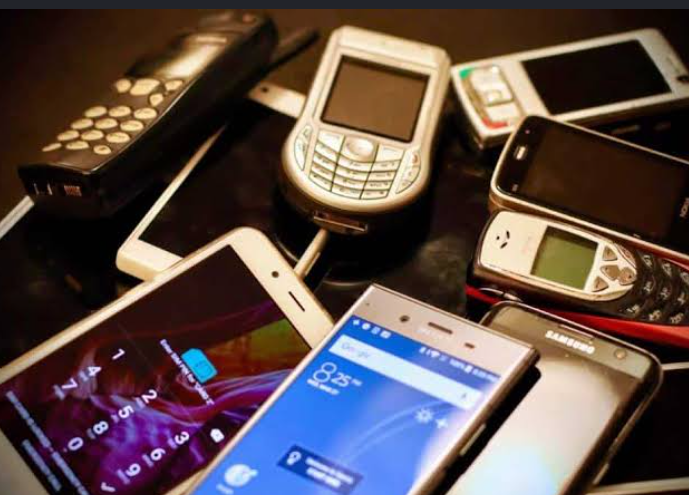
Mobile phones have become some of the most frequently replaced electronic devices. New models arrive regularly with improved cameras, faster processors, larger storage capacities, better displays, and enhanced connectivity. As a result, households and businesses can quickly accumulate phones that are no longer being used.
An old phone may seem insignificant compared with larger electronics, but it still contains valuable materials and potentially sensitive information. Simply putting it in a drawer indefinitely or throwing it into regular garbage does not make the problem disappear.
Understanding the right approach to old cell phone recycling can help individuals and organizations make better decisions when mobile devices are replaced. Recycling, reuse, donation, and secure data removal can all play a role depending on the condition of the phone.
Start by Checking the Phone’s Condition
Before deciding what to do with an old mobile device, determine whether it still works. A functioning phone may have more value than one that is completely damaged.
A device with a working screen, battery, camera, and operating system may be suitable for continued use. It could potentially be passed to another person, sold, donated, or kept as a backup.
Even an older model may be useful for basic communication, emergency situations, or secondary tasks.
Protect Personal Information First
Data security should be the first consideration before giving away, selling, or recycling a phone.
Mobile devices can contain photographs, text messages, email accounts, contacts, saved passwords, application data, documents, and other personal information.
Before transferring ownership, users should back up important information and follow the manufacturer’s recommended process for removing personal accounts and resetting the device.
A factory reset can be an important step, but users should also make sure their accounts, authentication tools, and connected services have been properly addressed.
Consider Reuse Before Recycling
If a phone is still functional, reuse can extend its useful life. A device that is no longer attractive to its original owner may still be perfectly adequate for another user.
Parents may use older phones for children under appropriate supervision. Businesses may redeploy compatible devices for limited operational purposes. Consumers may keep an older phone as a backup.
Reuse can reduce the need to manufacture a replacement immediately, making it an important part of responsible technology management.
Selling or Donating a Device
Phones with meaningful resale value can be sold through appropriate channels. Before doing so, users should determine the device’s condition, carrier compatibility, storage capacity, and remaining functionality.
Donation is another option when a device is still usable. Charitable organizations and community programs may accept functioning electronics, although requirements vary.
The key is to ensure that the receiving organization can actually use the device rather than passing unwanted equipment into another waste stream.
What If the Phone No Longer Works?
Broken phones should not automatically go into household garbage. Electronics contain components and materials that are better handled through appropriate recycling channels.
A damaged phone may still contain recoverable metals and other materials.
Recycling allows useful resources to be separated and processed instead of being lost in conventional waste disposal.
Batteries Need Special Attention
Many modern smartphones contain rechargeable lithium-ion batteries. Damaged or improperly handled batteries can present safety concerns, particularly if they are punctured, crushed, overheated, or otherwise mishandled.
For this reason, consumers should follow local guidance for battery and electronics recycling rather than attempting to dismantle a damaged device themselves.
Professional processing helps ensure that phones and their batteries enter appropriate recovery systems.
Businesses Have Additional Responsibilities
Companies often manage hundreds or thousands of mobile devices. Corporate phones may contain business communications, customer information, authentication credentials, applications, and other sensitive data.
Organizations should therefore establish mobile device retirement procedures that address both information security and environmental responsibility.
Asset records should identify devices being retired, while security policies should specify how information is removed before reuse or recycling.
Avoid Keeping a Drawer Full of Unused Devices
Many households and businesses have a collection of old phones stored away “just in case.” While keeping a backup device can be useful, retaining every outdated phone indefinitely creates unnecessary clutter.
A better approach is to periodically review stored electronics and determine which devices can be reused, sold, donated, or recycled.
This creates a more organized technology lifecycle and ensures that valuable materials do not sit unused for years.
Conclusion
Old phones do not have to become useless waste. Depending on their condition, they can be reused, sold, donated, refurbished, or responsibly recycled.
The most important steps are protecting personal or business information, handling batteries appropriately, and choosing a suitable destination for the device.
By treating mobile phones as recoverable technology assets rather than disposable objects, consumers and businesses can reduce waste while making better use of the materials and functionality already available.