

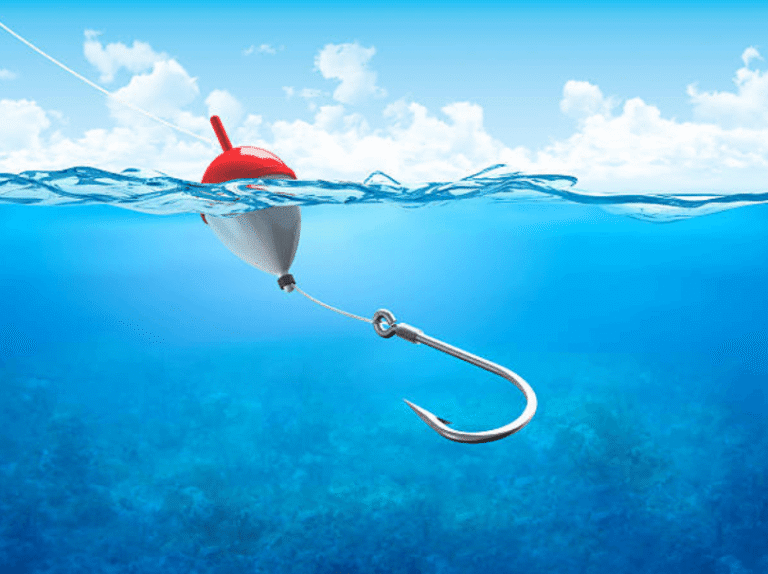
Selecting the right lure can make or break your fishing experience, and one of the most versatile options available is the Fishing Jig. Whether you are fishing in freshwater lakes, rivers, or coastal waters, jigs are designed to mimic natural prey and attract a wide range of fish species. However, not all jigs are created equal, and choosing the right one depends heavily on water conditions such as depth, clarity, current, and structure.
Understanding how to match your fishing jig to the environment can significantly improve your success rate. In this guide, we’ll explore how different water conditions affect jig selection and how you can adapt your approach for better results.
What Is a Fishing Jig?
A fishing jig is a type of lure consisting of a weighted head and a hook, often dressed with soft plastic, feathers, or hair. The defining feature of a jig is its ability to move vertically in the water, creating a lifelike motion that attracts fish.
Jigs can be used in various fishing techniques, including casting, trolling, and vertical jigging. Their versatility makes them a favorite among anglers targeting species like bass, walleye, snapper, and more.
Key Factors That Influence Jig Selection
Before choosing a jig, it’s important to consider the environmental factors that affect fish behavior and lure performance.
Water Depth
Deeper water requires heavier jigs to ensure they reach the desired depth quickly. In shallow water, lighter jigs provide a more natural presentation.
Water Clarity
Clear water calls for more natural colors and subtle presentations, while murky water requires brighter colors and more vibration to attract attention.
Current and Movement
Strong currents demand heavier jigs to maintain control and keep the lure in the strike zone. In calm water, lighter jigs work best.
Bottom Structure
Rocky, sandy, or weedy bottoms influence the type of jig head and hook design you should use to avoid snags and improve effectiveness.
Choosing the Right Jig for Clear Water
In clear water, fish rely heavily on sight, so your presentation needs to be as natural as possible.
Best Practices:
- Use natural colors like green, brown, or silver
- Choose smaller and lighter jigs
- Opt for subtle movements
Recommended Jig Types:
- Finesse jigs
- Hair jigs
- Small soft plastic jigs
A slow and steady retrieve works best in these conditions, as fish have more time to inspect your lure.
Selecting Jigs for Murky or Stained Water
In low-visibility conditions, fish depend more on vibration and contrast to locate prey.
Best Practices:
- Use bright colors like chartreuse, orange, or white
- Choose jigs with rattles or vibration features
- Increase jig size for better visibility
Recommended Jig Types:
- Spinner jigs
- Rattle jigs
- Bulkier soft plastic jigs
A more aggressive retrieve can help attract attention and trigger strikes.
Best Jigs for Deep Water Fishing
Fishing in deep water requires jigs that can reach the bottom quickly and stay in the strike zone.
Best Practices:
- Use heavier jig heads
- Maintain vertical control
- Focus on slow, controlled movements
Recommended Jig Types:
- Football jigs
- Vertical jigs
- Metal jigs
These jigs are designed to maintain stability and provide consistent action even at greater depths.
Choosing Jigs for Shallow Water
Shallow water fishing demands a more delicate approach to avoid spooking fish.
Best Practices:
- Use lightweight jigs
- Focus on natural presentation
- Avoid loud or aggressive movements
Recommended Jig Types:
- Swim jigs
- Finesse jigs
- Weedless jigs
These options allow you to fish effectively without disturbing the environment.
Matching Jigs to Current Conditions
Water movement plays a significant role in jig performance.
Strong Currents
- Use heavier jigs to maintain control
- Choose streamlined designs
- Focus on vertical jigging
Calm Waters
- Use lighter jigs for a natural drift
- Experiment with different retrieval speeds
- Allow the jig to sink slowly
Adapting to current conditions ensures your lure behaves naturally in the water.
See also: Protecting Business Data Using Continuous Authentication Strategies
Selecting Jigs Based on Bottom Structure
Different underwater terrains require specific jig designs to avoid snags and improve efficiency.
Rocky Bottoms
- Use football jigs to prevent tipping
- Choose strong hooks
Weedy Areas
- Use weedless jigs with guards
- Opt for streamlined designs
Sandy or Muddy Bottoms
- Use flat-bottom jigs
- Focus on subtle movements
Matching your jig to the structure helps you fish more effectively and reduces gear loss.
Color Selection Tips
Color plays a crucial role in jig effectiveness.
- Natural colors: Best for clear water
- Bright colors: Ideal for murky water
- Dark colors: Effective in low light conditions
- Two-tone colors: Provide contrast and visibility
Experimenting with different colors can help you determine what works best in specific conditions.
Common Mistakes to Avoid
Even experienced anglers can make mistakes when using jigs. Here are some to watch out for:
- Using the wrong weight for the depth
- Ignoring water clarity
- Retrieving too quickly or too slowly
- Not adjusting to changing conditions
Avoiding these mistakes can significantly improve your success rate.
Tips for Maximizing Success
To get the most out of your fishing jig, keep these tips in mind:
- Pay attention to environmental changes
- Adjust your technique based on fish behavior
- Practice different retrieval styles
- Stay patient and persistent
Fishing is as much about adaptability as it is about skill.
Conclusion
Choosing the right Fishing Jig for different water conditions is essential for improving your fishing success. By understanding how factors like depth, clarity, current, and structure influence jig performance, you can make more informed decisions and increase your chances of landing fish.
With the right approach and a bit of practice, jigs can become one of the most effective tools in your tackle box. If you need help selecting the perfect jig or want expert advice tailored to your fishing style, feel free to reach out—contact us today and take your fishing experience to the next level.