

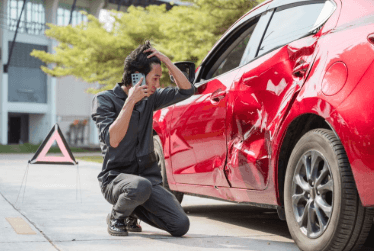
Athens is a city where history, culture, and a fast-moving college community all intersect, creating streets that are vibrant, busy, and constantly evolving. With students, professionals, and visitors relying heavily on rideshare services to get around, the rhythm of daily life often depends on quick trips across town. But when a rideshare ride takes an unexpected turn and an accident occurs, the calm familiarity of Athens can quickly give way to confusion about who is actually responsible.
Understanding how liability works in these complex situations becomes essential for anyone trying to protect their rights, especially when multiple parties, from drivers to rideshare companies, may be involved. This is where the guidance of a personal injury lawyer from Van Sant Law can provide clarity, helping injured individuals move from uncertainty to informed action. Their support ensures the people of Athens know exactly what steps to take when safety is compromised.
Understanding Rideshare Services
Rideshare companies connect drivers and passengers via applications. These drivers often use their cars rather than official taxi services. The arrangement is different, and therefore the process of establishing fault when determining blame after an accident involves its own special considerations; what you do next varies significantly depending on your incident (and when/how it occurred).
Who May Be Responsible
Liability in a ridesharing accident may be complicated and include multiple parties. The driver, the rideshare company, or another driver might be to blame. In other cases, both parties are sometimes at fault. In each case, we have to take a step back and consider why certain people should be responsible for paying for the damages suffered by others.
Driver’s Responsibility
In many traffic accidents, the driver is the primary factor. If a driver has made a mistake, like speeding or disobeying a traffic signal, they will be liable most of the time. Nevertheless, insurance for drivers varies when they’re signed into a rideshare app or when transporting a passenger. If the driver were on the platform but not “working,” coverage could be limited.
Rideshare Company’s Role
In the aftermath of an accident, many people may think responsibility always lies with the rideshare company. But these companies typically classify their drivers as independent contractors, not employees. This distinction can make it harder to hold the company accountable, particularly when the driver was either not on the app or carrying a passenger.
Insurance Coverage Periods
The driver’s status often affects their insurance coverage. The rideshare company’s liability coverage may come into play if the driver is waiting for a ride request. The company’s higher coverage typically takes effect once a ride has been accepted or a passenger is in the car.
Passenger Rights and Protection
Victims injured in a rideshare accident have rights. Depending on the situation, they may be able to pursue compensation from the driver’s insurance, the rideshare company’s policy, or another at-fault party. While most of this protection is covered by the company, many providers offer passenger protection, but not all locations do.
Third-Party Drivers and Other Victims
Rideshare vehicle accidents can affect other drivers, cyclists, taxis, and pedestrians. If someone is injured in these situations, claims may be brought against the driver responsible for the injury or the rideshare company, depending on the situation. In some scenarios, multiple parties are at fault for an accident, which can complicate the claims process.
Gathering Evidence and Reporting
Once an incident happens, it is vital to collect evidence, such as photos, statements from witnesses, and the accident report, which can be collected to substantiate claims. Complaints about the accident to the rideshare company and the police should be called as soon as possible so that the rights of each party are protected, and also when you are trying to make a claim on your policy or when you are being asked to make a payment.
Conclusion
Liability after a rideshare accident is determined by several factors, including the driver’s actions, the rideshare company’s policy, and the time of the accident. Passengers and stakeholders must understand their rights and the insurance protection provided. Those in such situations can seek professional help to pursue compensation and ensure accountability from the parties involved.