

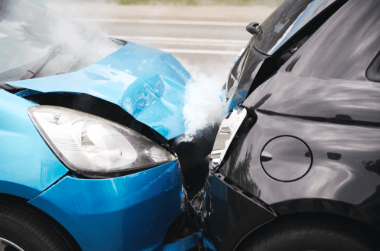
In Florida, where rideshare services have become a routine part of daily transportation for residents and visitors alike, the roads are busier and more interconnected than ever. From airport pickups to late-night trips across town, these services offer convenience—but they also introduce new challenges when accidents occur. Unlike traditional collisions, incidents involving rideshare vehicles often introduce additional layers of uncertainty, leaving those affected unsure how to move forward. Questions about responsibility, coverage, and next steps can quickly become overwhelming, especially when multiple parties are involved.
Understanding why these claims can become so complex is an important first step in protecting your rights and pursuing fair compensation. With guidance provided by the lawyers from Blakeley Law, individuals in Florida can better navigate these challenges, gaining clarity in situations where the path forward may otherwise feel unclear and difficult to manage.
Multiple Parties Involved
One of the key complexities stems from the multiple actors involved. The rideshare driver, passengers, other drivers, and pedestrians can all be involved in an accident. Everyone has their side of the story. Establishing who is responsible can take time and careful examination. Not a single detail will pass the insurance companies’ inspection in determining who is responsible for the damages.
Insurance Coverage Challenges
Many rideshare accidents involve a complex web of overlapping insurance coverage. Riders on these platforms are still required to maintain personal auto insurance, but the rideshare has some additional coverage. Coverage differs when a driver is waiting to be requested for a ride than when he or she is responsible for a passenger.
Unclear Liability
Determining liability in ridesharing accidents also creates some extra obstacles. At times, responsibility does not lie solely on one person. What each side did to prepare for the crash will determine what it might eventually mean for them. Attorneys and insurance adjusters will examine traffic laws and witness statements to determine who was liable for the crash. This is especially difficult, as the more cars or parties that are involved, the more complex the situation becomes.
Policy Exclusions and Gaps
Certain personal auto insurance policies contain an exclusion for commercial activity. If the driver had a fare-paying passenger, their insurer could deny the claim. And there are also instances in which the rideshare company’s policy might not apply. It may leave those injured and others unclear as to which policy, if any, will respond to pay their damages. Navigating through these exclusions and absences often takes time and a meticulous paper trail.
Injuries and Medical Costs
Rideshare vehicles are often involved in accidents that injure people. Medical bills can add up quickly, especially for someone who requires continuous care. There are always disputes over how extensive the injuries are or what exactly the treatment entails. The explanation is that insurance companies will raise questions about whether the treatment is related to the accident or dispute the severity of the injuries. Affected individuals may be required to submit extensive medical documentation and expert reviews to back up their claims.
Legal Complexity and Regulations
Rideshare companies fall under state, local, and even federal guidelines. This can affect how your claims are handled and the compensation you may receive. Certain states require higher insurance limits for rideshare vehicles. Some require certain ones to be reported or licensed in some way. Knowing about these rules can literally make or break a claim.
Settlement Negotiations
Every company is different, with its own set of processes and priorities. Negotiation is often lengthy, particularly when insurers disagree on who is liable. Victims may be told something different or be asked for more paperwork. This stage requires a lot of patience and organization!
Collecting Evidence
Strong evidence supports successful claims. At this point, the accident victims should try to gather as much information as possible at the scene. This can include photographs, witness statements, and police reports. Likewise, rideshare firms keep electronic records of trips—it’s unlikely the records were tampered with, which could ensure some transparency into what happened. Grabbing this data early helps not miss an important date.
The Role of Legal Support
An experienced attorney dealing with rideshare accident claims can give you a lot of help. This knowledge helps clients understand their rights and obligations. Also, they can talk with insurance companies, mediate and settle claims, and take injured parties to court if necessary. Such support alleviates pressure and increases the chances of a fair result.
Conclusion
Pursuing a rideshare accident claim is not similar to other personal injury claims because it demands a lot of effort and determination. Part of the problem is that the process could involve multiple parties, sometimes overlapping insurance policies, and regulators having different jurisdiction over the claims process. A combination of reliable proof, understanding of insurance coverage, and informed, professional assistance can help victims determine claims more effectively.