

The beginning of the year presents a unique opportunity for organizations to reset their marketing approach, capitalize on renewed budgets, and establish momentum for the months ahead. Decision-makers are often more open to new partnerships, strategies, and investments during this period, making it a critical window for visibility and engagement. Companies that approach early-year marketing with a clear, structured plan can position themselves for sustained success rather than reactive growth.
Reassessing Strategy and Setting Clear Objectives
A strong start begins with a comprehensive evaluation of past performance and current market conditions. Organizations should analyze previous campaigns, identifying what delivered measurable results and what fell short. This process enables teams to refine their messaging, channels, and targeting strategies based on real data rather than assumptions.
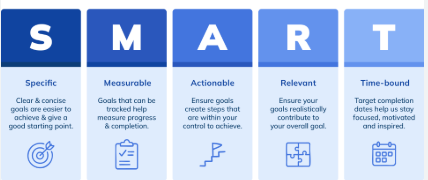
Setting clear, measurable objectives is equally important. These goals should align with broader business priorities, whether that involves lead generation, brand awareness, customer retention, or market expansion. Establishing key performance indicators at the outset ensures that progress can be tracked effectively and adjustments made as needed.
Early in the year is also an ideal time to revisit audience segmentation. Market dynamics may have shifted, and customer needs may have evolved. By updating buyer profiles and refining targeting criteria, organizations can ensure that their marketing efforts remain relevant and impactful. This strategic clarity provides a foundation for all subsequent initiatives.
Leveraging Fresh Budgets and Market Momentum
The start of the fiscal year often brings renewed budgets and a willingness to invest in new initiatives. Organizations that act quickly can gain a competitive advantage by securing attention before markets become saturated. This may involve launching new campaigns, introducing updated branding, or expanding into additional channels.
Timing plays a critical role in maximizing impact. Early-year campaigns should focus on high-value messaging that resonates with decision-makers who are actively planning their own strategies. Thought leadership content, industry insights, and forward-looking perspectives can position a company as a valuable partner during this planning phase.
Strengthening Brand Presence and Thought Leadership
Establishing a strong brand presence early in the year can set the tone for long-term engagement. Organizations should focus on delivering consistent, high-quality messaging across all channels, reinforcing their expertise and value proposition. This includes updating brand assets, refining messaging frameworks, and ensuring that all communication reflects current priorities.
Thought leadership is a powerful tool for capturing attention during this time. Publishing insights on industry trends, challenges, and opportunities demonstrates expertise and positions the organization as a trusted resource. Webinars, reports, and in-depth articles can provide valuable information while also generating engagement and leads.
Consistency is key to maintaining visibility. Rather than relying on isolated campaigns, organizations should develop a content calendar that ensures regular communication with their audience. This sustained presence helps build familiarity and trust, which are essential for long-term relationships.
Integrating Digital Marketing for Early Impact
Digital channels play a central role in early-year marketing strategies, offering scalability and precise targeting capabilities. Organizations can leverage email campaigns, social media platforms, and search engine marketing to reach their audience efficiently and effectively. These channels also provide valuable data that can inform ongoing optimization efforts.
Working with a digital marketing agency can help organizations navigate the complexities of these platforms, particularly when launching new campaigns or entering unfamiliar markets. While external support can enhance execution, it is important that digital initiatives remain aligned with overall business objectives and brand messaging.
Early-year digital efforts should prioritize engagement and value rather than purely promotional content. Providing useful insights, tools, or resources encourages interaction and establishes credibility. Over time, this approach can lead to stronger relationships and higher conversion rates.
Monitoring Performance and Adapting Quickly
The ability to measure and adapt is critical to early-year marketing success. Organizations should establish regular review processes to assess campaign performance, identify trends, and make data-driven adjustments. This agility allows teams to respond to changing conditions and optimize their strategies in real time.
Testing different approaches can also yield valuable insights. A/B testing of messaging, creative elements, and channels enables organizations to refine their tactics and improve results over time. These incremental improvements can have a significant impact when applied consistently.
Ultimately, marketing at the beginning of the year is about more than immediate results; it is about building a strong foundation for sustained growth. By reassessing strategies, leveraging early momentum, strengthening brand presence, and integrating digital channels effectively, organizations can position themselves for a successful and productive year ahead.