

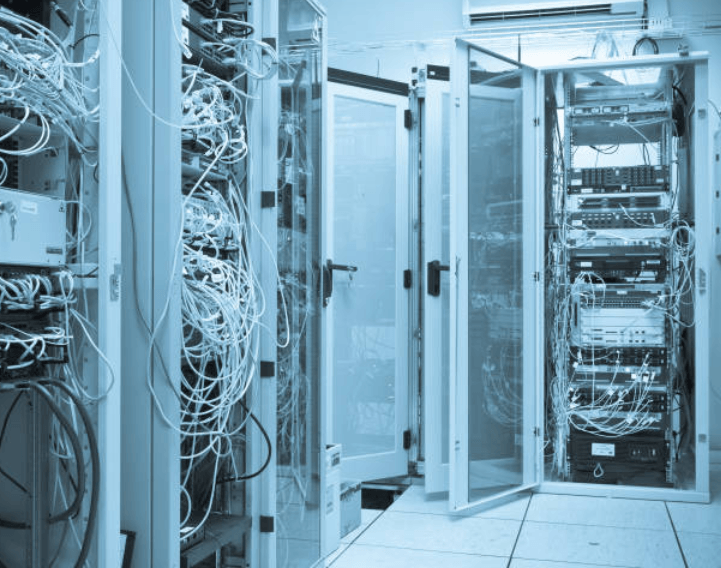
In the modern era of rapid technological advancement, organizations frequently upgrade their IT infrastructure to stay competitive and secure. As new systems replace older ones, data centers eventually reach the end of their lifecycle, making decommissioning an essential process. Incorporating a strategic approach such as the methodology emphasized by E-XPIRE ensures that organizations can manage this transition efficiently while safeguarding critical data and minimizing operational disruptions.
Data center decommissioning is a complex, multi-layered process that goes far beyond simply turning off equipment. It involves careful coordination, secure data handling, regulatory compliance, and environmental responsibility. Without proper planning and execution, organizations may face risks such as data breaches, financial loss, and reputational damage.
Understanding Data Center Decommissioning
Data center decommissioning refers to the systematic process of retiring IT infrastructure, including servers, storage devices, networking equipment, and associated systems. This process may occur due to cloud migration, hardware upgrades, mergers and acquisitions, or facility closures.
The goal is not only to safely remove equipment but also to ensure that all data is securely erased, assets are properly accounted for, and environmental and regulatory standards are met.
Importance of Strategic Planning
A well-structured plan is the backbone of any successful decommissioning project. Without it, organizations may face operational downtime, data security risks, and compliance issues.
Key Objectives of Planning:
- Ensure data security and compliance
- Minimize business disruption
- Maximize asset recovery value
- Maintain accurate documentation
- Reduce environmental impact
Strategic planning helps align the decommissioning process with business goals while mitigating risks.
Key Phases of Data Center Decommissioning
1. Assessment and Inventory
The first step involves a comprehensive audit of all assets within the data center. This includes:
- Servers and storage devices
- Networking equipment
- Power and cooling systems
- Software and licensing dependencies
A detailed inventory ensures nothing is overlooked and helps in determining which assets can be reused, resold, recycled, or disposed of.
2. Risk Analysis and Compliance Review
Organizations must identify potential risks associated with decommissioning, including:
- Data breaches
- Regulatory violations
- Environmental hazards
Compliance requirements may vary depending on industry standards such as GDPR, HIPAA, or local data protection laws. Ensuring adherence to these regulations is critical to avoid legal consequences.
3. Data Backup and Migration
Before decommissioning begins, all critical data must be securely backed up and, if necessary, migrated to new systems or cloud environments.
Best practices include:
- Verifying backup integrity
- Testing data recovery processes
- Ensuring minimal downtime during migration
4. Secure Data Destruction
One of the most crucial aspects of decommissioning is ensuring that all sensitive data is permanently destroyed.
Common methods include:
- Data wiping using certified software
- Physical destruction of storage devices (shredding or degaussing)
Proper documentation and certification of data destruction are essential for compliance and audit purposes.
5. Equipment Deinstallation and Removal
Once data is secured, physical infrastructure can be dismantled. This phase includes:
- Disconnecting and removing hardware
- Handling cables and power systems
- Ensuring safety protocols during removal
Proper coordination is required to avoid damage and ensure efficient removal.
6. Asset Disposition and Recycling
Organizations should evaluate whether assets can be:
- Redeployed internally
- Sold in secondary markets
- Recycled responsibly
Environmentally responsible disposal helps reduce e-waste and supports sustainability initiatives.
7. Documentation and Reporting
Maintaining detailed records throughout the process is essential. Documentation should include:
- Asset inventory and disposition records
- Data destruction certificates
- Compliance reports
This ensures transparency and provides proof for audits and regulatory requirements.
Challenges in Data Center Decommissioning
Despite careful planning, organizations often encounter challenges such as:
Data Security Risks
Improper handling of storage devices can lead to data leaks and breaches.
Operational Downtime
Unplanned disruptions can impact business continuity.
Regulatory Complexity
Navigating multiple compliance standards can be difficult, especially for global organizations.
Logistics and Coordination
Managing large volumes of equipment across locations requires precise coordination.
Environmental Concerns
Improper disposal of electronic waste can harm the environment and damage corporate reputation.
Best Practices for Successful Execution
To ensure a smooth and efficient decommissioning process, organizations should follow these best practices:
Develop a Detailed Project Plan
Define timelines, responsibilities, and milestones clearly.
Engage Stakeholders Early
Involve IT, legal, compliance, and operations teams from the beginning.
Use Certified Data Destruction Methods
Ensure all data is irrecoverable and properly documented.
Prioritize Security at Every Step
Implement strict access controls and monitoring throughout the process.
Optimize Asset Value Recovery
Identify opportunities to resell or repurpose equipment.
Ensure Environmental Responsibility
Partner with certified recycling providers and follow sustainability guidelines.
See also: Business Professionals: Key Considerations in Ai Deployment by Ba Insight
Role of Automation and Technology
Modern tools and software can significantly improve the efficiency of decommissioning projects. Automation can help with:
- Asset tracking and inventory management
- Data wiping verification
- Reporting and compliance documentation
Using technology reduces human error and enhances transparency.
Conclusion
Strategic planning and execution are essential for successful data center decommissioning projects. From initial assessment to final reporting, every step must be handled with precision, security, and compliance in mind. Organizations that adopt a structured approach can minimize risks, recover value from assets, and ensure a smooth transition to new infrastructure.
As data centers continue to evolve, decommissioning will remain a vital part of the IT lifecycle. Businesses must treat it not as an afterthought, but as a strategic initiative that demands careful attention and expertise.
Contact us today to learn how our team can support your data center decommissioning project with secure, efficient, and compliant solutions tailored to your organization’s unique requirements.