

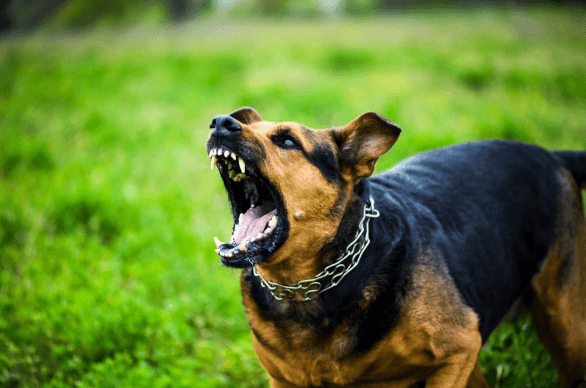
A dog bite can cause puncture wounds, nerve damage, scarring, infection, emotional distress, and costly medical treatment. Liability often depends on more than identifying the animal that caused the injury. State law, the owner’s knowledge, the victim’s conduct, and the circumstances surrounding the attack can affect a claim. Prompt medical care and careful evidence collection help protect an injured person’s rights while the facts remain clear. The first issue is usually determining who had legal responsibility.
Someone seeking legal guidance can review the evidence with Haque Law, including medical records, witness accounts, photographs, and insurance communications. Legal counsel can assess possible claims, identify responsible parties, and explain deadlines without relying on assumptions about the case.
Identifying the Responsible Party
The dog’s owner is often the first person considered in a bite claim. Ownership records, licensing information, witness statements, and veterinary records can help establish who controlled the animal. Liability can also involve a property owner, tenant, landlord, business, or animal caretaker. A person who temporarily controlled the dog may be held responsible if negligent handling contributed to the attack.
How Does State Law Affect a Claim?
Dog bite laws differ between states. Some states impose liability when a dog bites, without requiring proof that the owner knew of prior dangerous behavior. Other states follow a negligence rule or a “one-bite” approach. The victim’s conduct also matters. Trespassing, provoking the dog, ignoring posted warnings, or entering a restricted area can reduce or defeat recovery in some cases. A local attorney can explain which rules apply after reviewing the incident.
Evidence That Can Support Liability
Strong evidence helps connect the dog, the owner, and the injury. The injured person should photograph wounds, torn clothing, the location, fencing, warning signs, and any visible safety problems. Medical records document treatment, diagnoses, prescriptions, follow-up visits, and expected care. A physician’s records also help establish whether the injury caused permanent scarring, reduced movement, nerve problems, or psychological symptoms. Witnesses should provide names and contact information as soon as possible. Their observations can confirm how the dog behaved, whether the owner controlled it, and whether warnings were present.
Animal control reports, police reports, vaccination records, and prior complaints can provide additional evidence. An owner’s failure to provide rabies information requires prompt attention because public health officials need accurate records after a bite.
Medical Care and Financial Losses
Medical treatment should begin immediately, even when the wound appears minor. Dog bites can introduce bacteria beneath the skin and cause infections that worsen without treatment. Treatment expenses can include emergency care, antibiotics, stitches, imaging, surgery, physical therapy, counseling, and scar treatment. A claim can also include lost wages when the injury prevents work or requires time away for appointments.
Future losses require careful documentation. A serious bite can affect mobility, appearance, sleep, concentration, and a person’s ability to perform job duties. Medical opinions and employment records help connect those losses to the attack.
Insurance and Settlement Issues
Homeowners insurance or renters insurance sometimes covers injuries caused by a household dog. Coverage depends on the policy language, exclusions, the dog’s history, and the location of the incident. An insurance adjuster may request a recorded statement, medical authorization, photographs, or access to medical records. The injured person should provide accurate information but should avoid guessing about recovery or accepting blame without legal advice.
A settlement should account for current treatment, future medical needs, lost income, pain, scarring, and other documented harm. Accepting payment too early can close the claim before the full impact of the injury becomes clear.
Time Limits Matter
Every state sets deadlines for filing personal injury claims. These deadlines can vary based on the victim’s age, the defendant’s identity, the location of the incident, and whether a government entity is involved. Evidence can disappear before a deadline expires. Security footage may be deleted, witnesses may become difficult to locate, and physical conditions may change. Reporting the bite and promptly organizing records helps preserve the facts needed for a legal evaluation.
Conclusion
A dog bite claim depends on the facts surrounding ownership, control, prior behavior, location, medical harm, and state law. Injured people should photograph the scene, obtain medical records, report the attack, preserve communication with insurers, and avoid signing a release before reviewing the claim’s value. A timely consultation with a personal injury attorney can clarify liability, preserve evidence, and identify the filing deadline for the specific incident.