

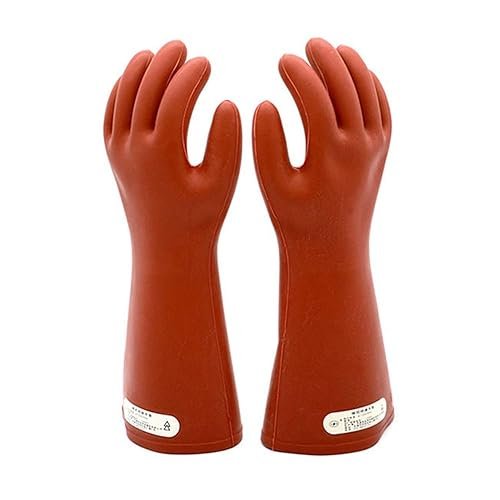
Electrical work involves serious risks that can lead to severe injuries or even fatalities if proper safety precautions are not followed. Workers who deal with live electrical systems, power lines, machinery, and high-voltage equipment require reliable protective gear to ensure their safety. Among the most important personal protective equipment used in the electrical industry are electrical insulated gloves.
Electrical insulated gloves are specially designed to protect workers from electric shock, electrical burns, and other hazards caused by contact with energized equipment. These gloves provide a protective barrier that prevents electrical current from passing through the body, making them an essential safety tool for electricians, technicians, utility workers, engineers, and industrial maintenance professionals.
With the growing demand for workplace safety and compliance with international safety standards, electrical insulated gloves have become a critical requirement in modern industries worldwide.
What Are Electrical Insulated Gloves?
Electrical insulated gloves are protective gloves manufactured using specially formulated rubber materials that resist electrical current. Their primary purpose is to protect workers from electrical shock while working on or near energized electrical systems.
These gloves are carefully tested and certified according to electrical safety standards to ensure reliable insulation performance. They are available in different voltage classes, allowing workers to select the appropriate gloves based on the electrical hazards present in their work environment.
In many applications, electrical insulated gloves are used together with leather protector gloves to provide additional protection against cuts, abrasions, punctures, and mechanical damage.
Importance of Electrical Insulated Gloves
Electricity is one of the most dangerous workplace hazards because it cannot be seen or touched safely without proper protection. Electrical accidents can occur unexpectedly and may result in severe injuries, burns, nerve damage, or death.
Electrical insulated gloves are designed to minimize these risks by creating a barrier between the worker’s hands and electrical current. They help workers safely handle electrical equipment, wires, circuits, and high-voltage systems without direct exposure to electrical energy.
These gloves are not only important for worker safety but are also required by many occupational safety regulations and electrical standards worldwide.
Features of High-Quality Electrical Insulated Gloves
Modern electrical insulated gloves are designed using advanced manufacturing technologies to provide maximum protection, comfort, and durability.
1. High Electrical Resistance
The gloves are made from insulating rubber compounds that effectively resist electrical current.
2. Flexible Material
Despite strong insulation properties, the gloves remain flexible and allow precise hand movement.
3. Durable Construction
High-quality gloves resist punctures, tears, abrasions, and environmental wear.
4. Comfortable Fit
Ergonomic designs improve comfort and reduce hand fatigue during long working hours.
5. Smooth Surface Finish
The smooth outer surface makes inspection and cleaning easier.
6. Color Identification
Different glove classes often use color coding for easy voltage classification and identification.
Voltage Classes of Electrical Insulated Gloves
Electrical insulated gloves are categorized according to the voltage protection they provide. Choosing the correct class is essential for workplace safety.
Class 00 Gloves
Suitable for low-voltage applications up to 500 volts AC.
Class 0 Gloves
Provide protection up to 1,000 volts AC.
Class 1 Gloves
Used for protection up to 7,500 volts AC.
Class 2 Gloves
Provide insulation for up to 17,000 volts AC.
Class 3 Gloves
Designed for protection up to 26,500 volts AC.
Class 4 Gloves
Offer maximum protection up to 36,000 volts AC.
Workers must always select gloves based on the voltage level of the electrical system they are handling.
Benefits of Using Electrical Insulated Gloves
Electrical insulated gloves offer numerous benefits for workers and industries.
See also: Protecting Business Data Using Continuous Authentication Strategies
Protection Against Electric Shock
The main advantage is reliable protection from dangerous electrical currents.
Improved Workplace Safety
Using insulated gloves significantly reduces electrical accidents and injuries.
Better Worker Confidence
Workers can perform tasks more confidently when properly protected.
Compliance with Safety Standards
Certified gloves help organizations comply with workplace safety regulations.
Flexibility and Dexterity
Modern gloves allow detailed electrical work without limiting hand movement.
Long-Term Durability
High-quality gloves provide reliable performance for extended periods when properly maintained.
Applications of Electrical Insulated Gloves
Electrical insulated gloves are widely used across many industries and professional sectors.
Electrical Utilities
Power line workers and utility technicians rely on insulated gloves for high-voltage operations.
Industrial Maintenance
Maintenance staff use insulated gloves while repairing electrical equipment and machinery.
Construction Industry
Electricians working on construction sites require electrical hand protection.
Manufacturing Facilities
Industrial workers handling electrical systems depend on insulated gloves for safety.
Telecommunications
Technicians working with electrical communication systems use insulated gloves during installations and repairs.
Renewable Energy Industry
Solar panel and wind turbine technicians require insulated gloves for safe maintenance operations.
Materials Used in Electrical Insulated Gloves
The safety and performance of insulated gloves depend heavily on the quality of materials used during manufacturing.
Natural Rubber
Natural rubber provides excellent insulation and flexibility.
Synthetic Rubber
Synthetic compounds improve chemical resistance and durability.
Latex Materials
Latex improves comfort, flexibility, and electrical resistance.
Leather Protectors
Leather outer gloves protect insulating gloves from mechanical damage.
Cotton Liners
Cotton liners absorb sweat and improve comfort during long work periods.
Proper Usage of Electrical Insulated Gloves
Correct usage is essential to maintain the effectiveness of insulated gloves.
Inspect Before Every Use
Workers should carefully check gloves for cuts, punctures, cracks, or holes before use.
Perform Air Testing
Air inflation tests help identify leaks or hidden damage.
Wear Leather Protectors
Leather protectors prevent damage to the insulating rubber surface.
Keep Gloves Clean
Clean gloves regularly to remove dirt, oil, and contaminants.
Store Properly
Store gloves in a cool, dry place away from direct sunlight and chemicals.
Follow Testing Requirements
Insulated gloves should undergo periodic electrical testing according to safety standards.
Maintenance and Care Tips
Proper maintenance extends the lifespan of electrical insulated gloves and ensures worker safety.
Regular Cleaning
Use approved cleaning methods to maintain insulation quality.
Avoid Sharp Objects
Keep gloves away from sharp tools and rough surfaces.
Protect from Heat and Chemicals
Excessive heat and chemicals can damage the insulating material.
Replace Damaged Gloves
Any damaged or expired gloves should be replaced immediately.
Growing Demand for Electrical Insulated Gloves
The increasing focus on workplace safety, electrical infrastructure development, and industrial growth has boosted global demand for electrical insulated gloves. Governments and safety organizations are enforcing stricter regulations to reduce workplace accidents and improve worker protection.
Manufacturers continue to develop advanced insulated gloves with improved flexibility, durability, comfort, and resistance to environmental factors. Modern gloves are lighter, more ergonomic, and more efficient than older designs, making them suitable for a wide range of electrical applications.
Conclusion
Electrical insulated gloves are one of the most important safety tools for workers exposed to electrical hazards. Their ability to protect against electric shock, burns, and electrical injuries makes them essential across industries such as utilities, construction, manufacturing, telecommunications, and renewable energy.
By investing in high-quality electrical insulated gloves, companies can improve workplace safety, increase productivity, and reduce the risk of electrical accidents. Proper glove selection, regular inspection, and correct maintenance are essential for ensuring long-term protection and reliable performance in demanding electrical environments.