
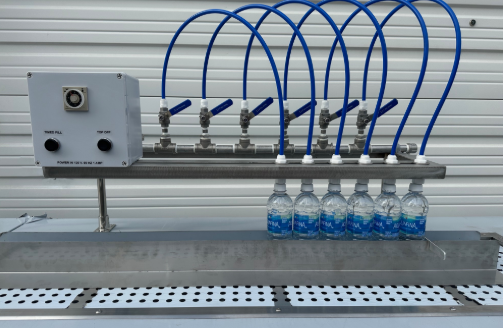
Selecting a reliable water filling machine supplier is one of the most consequential decisions you will make when launching or expanding a water bottling operation. The filling machine is the heartbeat of your production line — its speed, accuracy, and reliability directly determine your daily output and your product quality. Getting this choice right from the start saves enormous amounts of time, money, and frustration down the road.
What to Look for in a Quality Filling Machine Supplier
The best suppliers are not simply equipment vendors — they are technology partners who understand your business goals and the regulatory environment you operate in. Look for companies with a long history of delivering filling machines to the beverage industry, a team of experienced engineers who can customize solutions for your specific needs, and a robust after-sales service network.
Years of Industry Experience
Experience matters enormously in industrial machinery. A supplier with 15 or more years of manufacturing water filling machines has refined their designs through real-world feedback from hundreds of installations. Their engineers have encountered and solved every common technical challenge, which translates into more reliable machines for you.
Customization Capabilities
Every bottling operation has unique requirements. Your supplier should be able to customize filling valve types, machine speed, bottle size range, cap type compatibility, and hygiene enclosure design to match your exact specifications. A supplier who offers only catalog items cannot adapt to your specific production environment.
Key Technical Specifications to Evaluate
When comparing filling machines from different suppliers, evaluate several key technical specifications. Fill accuracy (typically expressed as ±1ml or better), filling speed (bottles per minute or bottles per hour), the range of bottle volumes the machine can handle, the type of filling principle used (gravity, pressure, or vacuum), and the materials used in product-contact components all significantly affect machine suitability for your application.
Fill Accuracy and Repeatability
In beverages, fill accuracy affects both regulatory compliance (minimum fill requirements) and production economics (avoiding costly overfill). Modern electronic flow meters or weighing systems achieve fill accuracies of ±0.5ml or better. Confirm the machine’s accuracy specification under normal production conditions, not just laboratory benchmarks.
See also: Protecting Business Data Using Continuous Authentication Strategies
Sanitation and CIP Systems
Sanitary design is non-negotiable in water bottling. All product-contact surfaces must be polished to a surface roughness that prevents bacterial adhesion. CIP systems allow automated internal cleaning of the filling system without disassembly, reducing labor costs and improving sanitation consistency.
Evaluating Supplier After-Sales Support
A filling machine that breaks down during production creates immediate financial losses. A supplier’s response time and spare parts availability during such events are critical. Before buying, ask detailed questions about how technical support is delivered, whether remote diagnostics are available, the location of the nearest service engineer, and stock levels of critical spare parts.
Remote Diagnostics and Support
Modern filling machines increasingly incorporate remote monitoring systems that allow supplier engineers to diagnose issues via the internet without visiting your site. This capability can dramatically reduce machine downtime by identifying problems early and guiding your operators through corrective actions remotely.
Spare Parts Availability and Lead Times
Ask your supplier to provide a list of critical spare parts and confirm current stock levels and lead times for those parts. If wear parts or consumables have long lead times, consider holding a spare parts inventory on-site to minimize production interruptions.
Comparing Multiple Suppliers Before Deciding
Never rely on a single supplier’s proposal. Request quotations from at least three different water filling machine supplier candidates and compare them carefully. Look beyond the price to evaluate the total package: machine quality, commissioning support, operator training, warranty terms, and long-term service commitments. The lowest price is rarely the best value in capital equipment purchasing.
Frequently Asked Questions
Q: What is the typical warranty period for water filling machines?
A: Most reputable suppliers offer 12 to 24 months warranty on parts and labor. Extended warranty agreements are often available for an additional fee.
Q: Can filling machines be upgraded if production needs grow?
A: Many modern filling machines are designed for capacity upgrades. Adding filling heads or upgrading the conveyor system can increase throughput without purchasing entirely new equipment.
Q: How long does it take to train operators on a new filling machine?
A: Basic operator training typically takes 3 to 7 days on-site. More advanced maintenance training may require an additional week or structured off-site training at the supplier’s facility.
Conclusion
Your choice of water filling machine supplier shapes the performance and profitability of your entire production operation. Invest the time to evaluate multiple suppliers thoroughly, visit reference installations, and water filling machine supplier ask hard questions about after-sales support. A trustworthy supplier who delivers a technically excellent machine and stands behind it with strong service will prove invaluable as your business grows.