

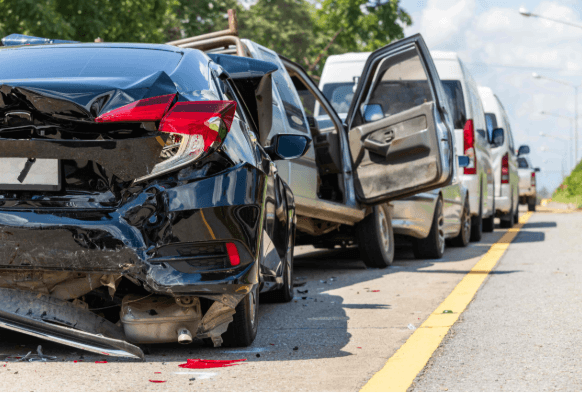
A multi-vehicle accident rarely has one obvious cause. A rear impact can trigger several collisions, while traffic signals, lane changes, road conditions, and driver decisions shape each event. Insurance companies and courts must separate the sequence of impacts from the conduct that caused them. That process requires evidence, careful timing, and a clear view of each driver’s actions. The following points explain how fault is assigned and what injured people should document first.
Medical Documentation
Medical records should identify symptoms, diagnoses, treatment, and the timing of each complaint. Prompt evaluation helps establish a link between the crash and the injury, particularly when pain develops after several impacts. People involved in severe crashes can also experience depression, anxiety, or other mental health effects. A legal team, such as Brian White and Associates, can provide guidance to people researching treatment options for depression, including transcranial magnetic stimulation.
How Chain-Reaction Crashes Begin
Many pileups start with one sudden event, such as a driver stopping abruptly or changing lanes without enough space. The first impact can push vehicles into nearby traffic, creating new collisions within seconds.
The first driver is not automatically responsible for every injury. Each later driver’s speed, following distance, attention, and response can affect the final allocation of fault.
A driver who had enough time to stop but failed to do so may share responsibility. Another driver may avoid liability if the collision happened too quickly to prevent, provided that the evidence supports that account.
How Investigators Separate Each Impact
Investigators build a timeline using police reports, vehicle damage, photographs, witness statements, traffic-camera footage, and electronic data when available. Skid marks, debris locations, airbag deployment, and crush patterns can also show the direction and order of impacts.
The damage pattern matters because it can distinguish an initial collision from a later strike. A rear bumper impact does not prove the same driver caused every subsequent injury.
Investigators also compare statements with physical evidence. A driver’s account can change after the event, but vehicle positions and documented damage provide objective points for testing competing explanations.
How Comparative Fault Affects Claims
States use different rules for assigning shared fault. In many jurisdictions, a person can recover damages even after accepting some responsibility, although the award decreases according to that percentage.
Other states restrict recovery after a person reaches a specified fault threshold. The governing rule depends on the state where the accident occurred, so a general assumption can produce an inaccurate claim assessment.
Insurance adjusters often assign percentages before all evidence is available. Their initial decision does not determine the final result. A claimant can challenge an allocation with photographs, medical records, witness accounts, and accident-reconstruction evidence.
Vehicle and Scene Records Are Crucial
Photographs should capture every damaged vehicle, the roadway, lane markings, traffic signs, weather conditions, and visible debris. Pictures taken before vehicles move can show spacing and impact positions.
Repair estimates and inspection records also matter. They can connect a particular injury or damage pattern to a specific collision within the sequence.
Witness and Digital Evidence
Independent or expert witnesses can clarify which vehicle moved first, whether a signal changed, and how much time passed between impacts. Dashcam footage, nearby security video, and phone records can provide additional timing evidence.
Drivers should preserve original files rather than sending edited clips. The original format can retain timestamps and surrounding footage that help establish the full sequence.
Common Mistakes After A Multi-Vehicle Crash
Drivers should avoid guessing about fault at the scene. A simple apology can later appear to be an admission, even when the speaker lacks enough information to know what happened.
They should also avoid posting photographs, comments, or medical updates on social media. Insurers can use those statements to dispute injury severity or contradict the account given during a claim.
Every driver should exchange information, report the accident, seek medical care, and preserve relevant records. A written timeline created soon afterward can protect details that memory loses.
Conclusion
A multi-vehicle accident requires more than identifying the first impact. The evidence must show what each driver did, how the collision sequence developed, and which injuries followed each event. Anyone involved should photograph the scene, obtain medical records, preserve digital evidence, and avoid speculation about responsibility. A prompt review with a qualified personal injury attorney can help identify shared fault, challenge unsupported percentages, and protect deadlines before an insurer closes its investigation.