

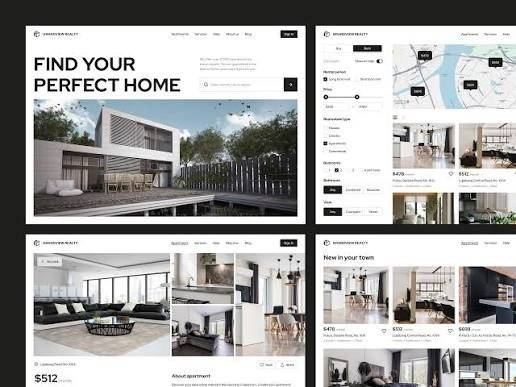
Dubai’s real estate market is one of the most competitive in the world. From waterfront villas to off-plan apartments, buyers have endless options. Most of these buyers begin their journey online. They browse listings, compare prices, study locations, and explore payment plans before ever speaking to an agent.
Yet many agencies treat their websites like simple listing boards instead of structured sales platforms. If we look at how modern ecommerce website design Dubai strategies are built, we notice a major difference: strong digital platforms guide users carefully, filter them properly, and qualify them before they reach the final action stage. Real estate websites often fail to do this.
That failure directly impacts lead quality.
Real Estate Websites Work Like Online Stores
Property portals function very similarly to complex online marketplaces. Instead of selling products, they offer properties. Instead of adding to cart, users submit inquiries or request viewings.
On global-style platforms such as and , the structure is designed to guide users step by step. Users filter by budget, location, property type, and features before making contact.
However, many agency-owned websites in Dubai skip this structured flow. They display listings but fail to guide serious buyers toward qualified action.
Weak Filtering Creates Weak Leads
One of the biggest problems is limited filtering.
Buyers should be able to narrow down properties by:
- Exact budget range
- Ready vs off-plan
- Investment vs personal use
- Number of bedrooms
- Community
- Expected ROI
When filters are basic or poorly structured, users browse randomly. Eventually, they submit general inquiries like “Please share more details.”
These inquiries often lack commitment. The user may not have a defined budget or timeline.
Strong digital platforms reduce randomness. They help users self-qualify before reaching the inquiry stage.
Generic Contact Forms Lower Lead Quality
Most real estate websites use simple forms asking only for name, email, and phone number.
This creates volume, but not quality.
Serious buyers usually have:
- A defined budget
- A financing plan
- A timeline
- A purpose (investment or residence)
Without collecting this information early, agents must manually filter each lead. This wastes time and energy.
A smarter approach is progressive qualification. Ask structured questions in a natural way. Guide the buyer instead of overwhelming them.
When forms are designed strategically, they filter out casual browsers while encouraging serious buyers to move forward.
Lack of Detailed Property Pages Reduces Buyer Confidence
Another reason for weak lead qualification is shallow listing content.
Short descriptions such as “Luxury apartment in prime location” do not build trust.
Serious buyers want details:
- Developer history
- Payment plan breakdown
- Service charges
- Project timeline
- Nearby infrastructure
- Investment return potential
Without this depth, inquiries are often exploratory rather than intentional.
Detailed information builds confidence. Confidence leads to qualified inquiries.
No Clear Buyer Journey Structure
Successful online platforms guide users through stages. Real estate websites should do the same.
Instead of jumping directly from listing to contact form, the journey should include:
Exploration → Comparison → Shortlisting → Qualification → Inquiry
When this structure is missing, users contact too early or leave without clarity.
Design is not only about appearance. It is about guiding decisions logically.
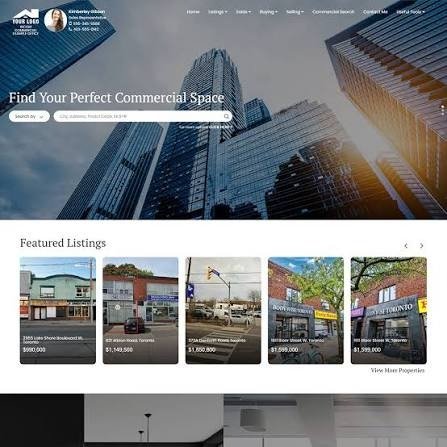
Mobile Experience Affects Serious Buyers
Dubai has extremely high mobile usage. Many investors browse properties on their phones while traveling or working.
If the website:
- Loads slowly
- Has difficult filters
- Uses long forms that are hard to complete
- Displays poorly formatted content
Serious buyers may abandon the process.
Lead qualification starts with user comfort. If the digital experience feels frustrating, high-quality prospects disappear quietly.
See also: Exploring How Famoid Instagram Likes Affect Engagement
Agencies Rely Too Much on Portals
Many agencies depend heavily on third-party platforms instead of improving their own websites.
While platforms generate traffic, agencies lose control over:
- Lead filtering
- Branding
- Data tracking
- Custom qualification processes
An independent, well-structured website allows full control of the sales journey. It allows smarter filtering and better data collection.
Without this control, agencies remain dependent on volume instead of quality.
The Real Solution: Think Like a Structured Marketplace
Improving lead qualification is not about adding more fields to forms. It is about building a structured digital path.
This includes:
- Advanced filtering systems
- Detailed listing pages
- Guided inquiry processes
- Smart CRM integration
- Clear positioning for investors vs end-users
When real estate websites adopt structured digital thinking, they attract serious prospects naturally.
Qualified leads are not generated by luck. They are generated by design.