

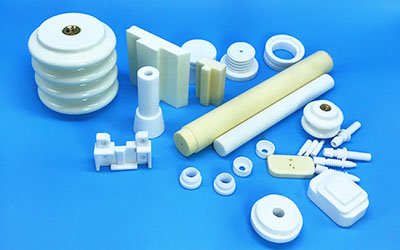
Silicate ceramics have been used by human civilization for thousands of years, yet they remain highly relevant in modern engineering and industrial applications. From construction materials to high-temperature insulation, these ceramics are trusted for their ability to withstand demanding environments. What makes them especially valuable is how they respond when exposed to extreme heat, pressure, and mechanical stress.
Understanding the thermal and mechanical behavior of silicate ceramics under extreme conditions is essential for engineers, designers, and manufacturers. These materials often operate where metals soften, polymers degrade, and other materials fail entirely. This article explores how silicate ceramics behave under such conditions, why their performance is unique, and how this knowledge supports safer and more efficient material selection.
What Makes Silicate Ceramics Unique
Silicate ceramics are primarily composed of silicon and oxygen, often combined with elements such as aluminum, calcium, or magnesium. Their internal structure is built around strong silicon-oxygen bonds, which give them remarkable stability.
These strong bonds form complex networks that resist deformation and breakdown. As a result, silicate ceramics maintain their shape and integrity under high temperatures and mechanical loads. This structural foundation explains why they are commonly used in environments where reliability is critical.
Unlike metals, silicate ceramics do not rely on metallic bonding, which weakens at elevated temperatures. Unlike polymers, they do not soften or melt easily. This difference in bonding plays a key role in their thermal and mechanical behavior.
Thermal Stability of Silicate Ceramics
Thermal stability is one of the most important characteristics of silicate ceramics. Many applications depend on materials that can endure prolonged exposure to high temperatures without losing strength or structure.
Silicate ceramics exhibit high melting points due to the strength of their atomic bonds. Even when exposed to intense heat, they retain their solid form and resist chemical breakdown. This makes them suitable for furnaces, kilns, and high-temperature insulation systems.
Thermal stability also includes resistance to thermal degradation. Silicate ceramics do not release gases or decompose when heated, which helps maintain performance in enclosed or sensitive environments.
Heat Resistance and Structural Integrity
When materials are heated, they tend to expand. In silicate ceramics, thermal expansion occurs at a relatively controlled rate. This predictable behavior helps engineers design components that can tolerate temperature changes without cracking.
Under extreme heat, silicate ceramics maintain their rigidity. Their stiffness does not decrease significantly with temperature, unlike metals that become softer and weaker. This property is essential in applications where structural support must be preserved at high temperatures.
The ability to retain mechanical strength under heat allows silicate ceramics to function as load-bearing components in thermal environments.
Thermal Shock Resistance
Extreme conditions often involve rapid temperature changes. Thermal shock occurs when a material experiences sudden heating or cooling, creating internal stress. Materials that cannot handle this stress may crack or fail.
Silicate ceramics vary in their resistance to thermal shock. This resistance depends on factors such as microstructure, porosity, and thermal expansion rate. Some silicate ceramics are engineered to tolerate rapid temperature changes by allowing controlled stress distribution.
Thermal shock resistance is especially important in applications such as heat exchangers and industrial linings, where temperature fluctuations are common.
Mechanical Strength Under Stress
Mechanical strength describes how a material responds to applied forces such as compression, tension, or bending. Silicate ceramics are generally strong under compression but weaker under tension.
This behavior is linked to their brittle nature. While silicate ceramics resist deformation, they do not yield gradually like metals. Instead, they tend to fracture when stress exceeds a certain limit.
Despite this brittleness, their compressive strength is high. This makes them suitable for structural applications where compressive loads dominate, such as refractory bricks and structural tiles.
Brittleness and Fracture Behavior
Brittleness is often seen as a disadvantage, but in silicate ceramics it is a predictable characteristic that can be managed through design. Under extreme mechanical stress, silicate ceramics do not bend significantly. Instead, they fracture once internal cracks grow large enough.
Understanding fracture behavior is critical when using silicate ceramics in demanding environments. Engineers rely on material testing and design strategies to minimize tensile stress and avoid sudden failure.
Microstructural control during manufacturing can also improve fracture resistance. Grain size, porosity, and phase composition all influence how cracks form and propagate.
Creep Behavior at High Temperatures
Creep refers to slow, time-dependent deformation under constant stress, especially at high temperatures. Many materials experience creep when exposed to prolonged heat and load.
Silicate ceramics generally show strong resistance to creep compared to metals. Their rigid atomic structure limits long-term deformation, even under extreme conditions.
This resistance makes silicate ceramics ideal for applications requiring dimensional stability over long periods, such as furnace linings and thermal barriers.
Wear Resistance in Harsh Environments
Extreme conditions often involve abrasive forces, chemical exposure, or repeated contact with other materials. Silicate ceramics are naturally hard, which gives them excellent resistance to wear.
Their hardness helps them maintain surface integrity under friction and mechanical contact. This property is valuable in industrial environments where components are exposed to abrasive particles or repeated mechanical interaction.
Wear resistance contributes to long service life and reduced maintenance requirements, which is critical in high-temperature and high-stress applications.
Interaction Between Thermal and Mechanical Loads
In real-world conditions, silicate ceramics are rarely exposed to thermal or mechanical stress alone. Instead, they experience a combination of both. Heat can influence mechanical behavior, and mechanical stress can affect thermal response.
At elevated temperatures, microstructural changes may occur, slightly altering strength or fracture behavior. Understanding this interaction helps engineers predict performance more accurately.
Designing components that account for combined thermal and mechanical loads ensures safe operation under extreme conditions.
Industrial Applications Benefiting From These Properties
The thermal and mechanical behavior of silicate ceramics makes them valuable in industries such as construction, energy, and manufacturing. High-temperature furnaces, insulation systems, and structural components rely on their stability.
In construction, silicate ceramics provide fire resistance and structural durability. In industrial processing, they protect equipment from heat and wear. These applications depend on predictable behavior under extreme conditions.
Their performance reduces downtime and enhances safety, making them a trusted material choice.
Challenges in Extreme Condition Applications
Despite their advantages, silicate ceramics present challenges. Their brittleness requires careful handling and precise design. Manufacturing defects can significantly affect performance under extreme stress.
Engineers must balance strength, thermal resistance, and toughness when selecting silicate ceramics. Quality control and testing play essential roles in ensuring reliability.
Ongoing research continues to improve these materials, addressing limitations while enhancing performance.
Read Also: How Technology Is Transforming the Entertainment Industry
Future Developments in Silicate Ceramic Performance
Advancements in processing and material science are expanding the capabilities of silicate ceramics. Improved microstructural control and composite approaches are helping increase toughness and thermal shock resistance.
As industries demand higher performance materials, silicate ceramics are evolving to meet new challenges. Their role in extreme environments is expected to grow as technology advances.
These developments ensure that silicate ceramics remain relevant in future engineering solutions.
FAQs About Silicate Ceramics Under Extreme Conditions
Why are silicate ceramics suitable for high-temperature applications?
Silicate ceramics have strong atomic bonds and high melting points, allowing them to maintain stability and strength at elevated temperatures.
Do silicate ceramics weaken under heat?
They retain stiffness and structural integrity under heat much better than metals or polymers, although extreme conditions may influence microstructure over time.
Are silicate ceramics resistant to thermal shock?
Some silicate ceramics are designed to resist thermal shock, but resistance varies depending on composition and microstructure.
Why are silicate ceramics considered brittle?
They do not deform plastically like metals and tend to fracture once stress exceeds a limit. This behavior is predictable and manageable through design.
Can silicate ceramics handle long-term stress at high temperatures?
Yes, they show strong resistance to creep, making them suitable for long-term use under heat and load.
Conclusion
Silicate ceramics play a crucial role in applications that demand reliable performance under extreme thermal and mechanical conditions. Their strong atomic structure provides heat resistance, mechanical stability, and durability where many materials fail. While their brittleness presents challenges, careful design and modern processing methods allow engineers to harness their strengths effectively.
By understanding the thermal and mechanical behavior of silicate ceramics, industries can make informed decisions that improve safety, efficiency, and longevity. As technology advances and operating conditions become more demanding, silicate ceramics will continue to stand as a dependable solution for extreme environments.